What Causes Trash Can Wheels to Crack or Stop Rolling?
A garbage can that suddenly refuses to roll can turn a simple trip to the curb into a frustrating chore. One wheel might drag across the driveway, another might wobble, or the plastic around the axle may crack without much warning.
Trash can wheels commonly fail because of excessive weight, rough surfaces, repeated impacts, weather exposure, or debris collecting around the axle. Over time, these conditions can weaken the wheels and interfere with their movement.
For homeowners in Melville, NY, understanding these problems can help prevent unnecessary damage and extend the life of their garbage cans. Along with regular maintenance, garbage can cleaning helps remove accumulated grime and residue that can make bins harder to maintain.
Knowing what causes wheel problems also makes it easier to decide whether a quick adjustment, replacement wheel, or new garbage can is the better solution.
Why Do Garbage Can Wheels Crack or Break?
Garbage can wheels are designed to handle regular movement between storage areas and collection points. However, they experience considerable stress, especially when a heavy bin is repeatedly pulled over uneven surfaces.
Several factors can gradually weaken the wheel material or damage its connection to the container.
Excessive Weight Inside the Garbage Can
Overloading is one of the most common reasons garbage can wheels become damaged.
When a bin contains heavy household waste, the additional weight places more pressure on the wheels, axle, and surrounding plastic. Pulling an overloaded container across pavement increases that stress.
Heavy materials such as wet yard waste, construction debris, or large quantities of discarded household items can contribute to premature wear.
To reduce the risk of damage, follow the manufacturer's weight limits and avoid using a residential garbage can for materials it was not designed to carry.
Rough Driveways and Uneven Surfaces
Garbage cans are frequently moved across concrete, asphalt, gravel, and other outdoor surfaces.
Small cracks, raised pavement edges, and uneven walkways can cause the wheels to absorb repeated impacts. Over time, these impacts may result in:
Cracks along the wheel's outer edge
Worn or flattened wheel surfaces
Loose wheel connections
Damage around the axle opening
Uneven rolling or wobbling
Dragging a garbage can sideways rather than allowing its wheels to roll normally can also increase wear.
Homeowners should avoid pulling heavy containers over sharp pavement edges whenever possible.
Repeated Impacts During Trash Collection
Residential garbage cans are regularly lifted, emptied, tilted, and returned to the ground.
During collection, the wheels and lower portion of the container may experience impacts, depending on the equipment used and how the bin is handled.
A single impact does not necessarily cause damage. However, repeated impacts can contribute to wear, particularly when the wheel assembly is already weakened.
Check the wheels periodically for cracks, looseness, or unusual movement after collection.
Sunlight and Temperature Changes
Most residential garbage cans use durable plastic components designed for outdoor conditions. Even so, prolonged exposure to sunlight and changing temperatures can gradually affect certain plastic materials.
Ultraviolet exposure may contribute to deterioration, while cold temperatures can make some plastics more vulnerable to cracking under impact.
In Melville, NY, garbage cans experience seasonal changes, including hot summer weather and freezing winter conditions.
Keeping bins in a reasonably sheltered location between collection days may help reduce unnecessary exposure.
Why Do Trash Can Wheels Stop Rolling Even When They Are Not Broken?
A wheel that stops turning does not always need to be replaced.
Sometimes the problem comes from dirt, tangled materials, a damaged axle, or an obstruction around the wheel assembly.
Identifying the cause before purchasing replacement parts can save time and avoid unnecessary expenses.
Dirt and Debris Around the Axle
Outdoor garbage cans regularly encounter grass clippings, leaves, soil, small stones, and other debris.
These materials can become trapped between the wheel and the container or accumulate around exposed axle components.
When debris interferes with rotation, the wheel may become difficult to move or stop turning altogether.
A simple inspection can help identify visible obstructions. Remove loose material carefully and check whether the wheel rotates freely.
Hair, String, and Plastic Wrapped Around the Wheel
Thin materials can wrap tightly around an axle without being immediately noticeable.
Common examples include plastic strips, string, grass fibers, and packaging materials.
As these materials accumulate, they may restrict movement and cause the wheel to drag.
Inspect the area behind each wheel if the garbage can suddenly becomes difficult to pull.
Bent or Damaged Axles
The axle connects the wheels and supports the container's movement.
If an axle becomes bent or shifts out of alignment, the wheels may no longer rotate correctly.
Common warning signs include a garbage can that leans to one side, a wheel that rubs against the container, or unusual resistance while pulling.
A damaged axle may require replacement rather than a simple cleaning.
Worn Wheel Bearings or Connections
Some garbage cans use wheel assemblies with bushings or other components that allow the wheels to rotate smoothly.
Over time, these connections can wear down or become damaged.
A wheel might still appear intact while rotating unevenly or producing scraping noises.
The appropriate repair depends on the container's design and whether compatible replacement components are available.
How to Check a Garbage Can With Stuck Wheels
Before replacing a damaged garbage can, a few basic checks can help identify the problem.
Start by emptying the container so it is easier and safer to inspect.
Check the wheel surfaces. Look for visible cracks, missing pieces, excessive wear, or unusual flattening.
Inspect the axle area. Examine the space between each wheel and the container for trapped debris, tangled materials, or damaged components.
Rotate each wheel separately. If the design allows, carefully lift the wheel off the ground and turn it by hand. Resistance or grinding may indicate an obstruction or mechanical problem.
Check the wheel alignment. Compare both sides of the garbage can. A wheel that sits at an unusual angle may indicate a bent axle or damaged attachment point.
Look for damage to the container itself. Cracks near the axle supports can sometimes make wheel replacement impractical.
Avoid forcing a jammed wheel to rotate or working beneath an unstable container. If the axle or mounting area is badly damaged, replacing the bin may be the safer option.
Can You Repair a Cracked Trash Can Wheel?
Minor wheel problems may be repairable, but the answer depends on the type and extent of the damage.
If the wheel is simply jammed by dirt or debris, removing the obstruction may restore normal movement.
A cracked wheel is different. Once the wheel structure is compromised, continued use can cause further splitting or sudden failure.
Some garbage can manufacturers offer replacement wheels, axle kits, and other compatible components.
Before buying replacement parts, identify the garbage can's brand, model, and wheel dimensions.
Generic replacement wheels are not guaranteed to fit every container.
If the wheel mounting points or axle supports are broken, replacing the entire garbage can may make more sense than repairing individual components.
When Is It Better to Replace the Entire Garbage Can?
Replacing the wheels can be a practical option when the rest of the container remains in good condition.
However, some types of damage indicate that the garbage can itself may be approaching the end of its useful life.
Replacement may be appropriate when:
The container has large cracks near the wheel mounting area.
Both wheels and the axle are severely damaged.
The body has become warped or unstable.
Replacement parts are unavailable or incompatible.
The container repeatedly tips over because of structural damage.
Repair costs are too high compared with the cost of a replacement.
For homeowners dealing with persistent wheel problems, choosing a replacement bin with a sturdy axle and durable wheels may provide a more reliable long-term solution.
At Clean Island Cans, we offer a 45-gallon garbage can designed with a solid steel axle, reinforced wear lip, and smooth-rolling wheels.
The container is built for regular residential use and is designed to work with most automated trash collection systems.
This can be a useful option when an older garbage can has damaged wheels, cracked plastic, or other problems that make everyday handling difficult.
How to Prevent Garbage Can Wheel Damage
A few small adjustments to your routine can help keep garbage can wheels working longer.
Avoid Overloading the Container
Distribute household waste evenly and stay within the weight limits established by the manufacturer.
Overloading can place unnecessary pressure on the axle and wheel attachments, especially when moving the bin across uneven ground.
Roll the Can Instead of Dragging It
Tilt the garbage can enough for the wheels to support its movement, without placing excessive strain on the handle or tipping it too far backward.
Try to keep the wheels moving straight rather than dragging the container sideways.
Keep the Wheels and Axle Clean
Inspect the lower portion of your garbage can regularly.
Remove leaves, dirt, and debris before they accumulate around the axle or interfere with wheel rotation.
Cleaning the wheel area also makes it easier to notice damage before it becomes severe.
Store the Can on a Stable Surface
Placing a garbage can on relatively level ground can reduce unnecessary pressure on individual wheels.
Avoid leaving the container resting against sharp edges or in positions that place continuous stress on one side.
Inspect the Wheels After Heavy Use
Following particularly heavy collection loads or rough handling, take a moment to check whether the wheels still roll correctly.
Early signs of damage are often easier to address than a completely broken wheel assembly.
Does Garbage Can Cleaning Help Maintain the Wheels?
Regular cleaning can support general garbage can maintenance, although it cannot repair cracked wheels, bent axles, or broken plastic components.
Outdoor garbage cans collect more than household waste. Leaking bags, liquids, dirt, and organic residue can accumulate on the interior and exterior surfaces.
Over time, buildup around the lower portion of the container may make inspection and maintenance more difficult.
A basic household rinse can remove loose dirt and some surface residue. More thorough cleaning can help address grime that is harder to remove through occasional rinsing.
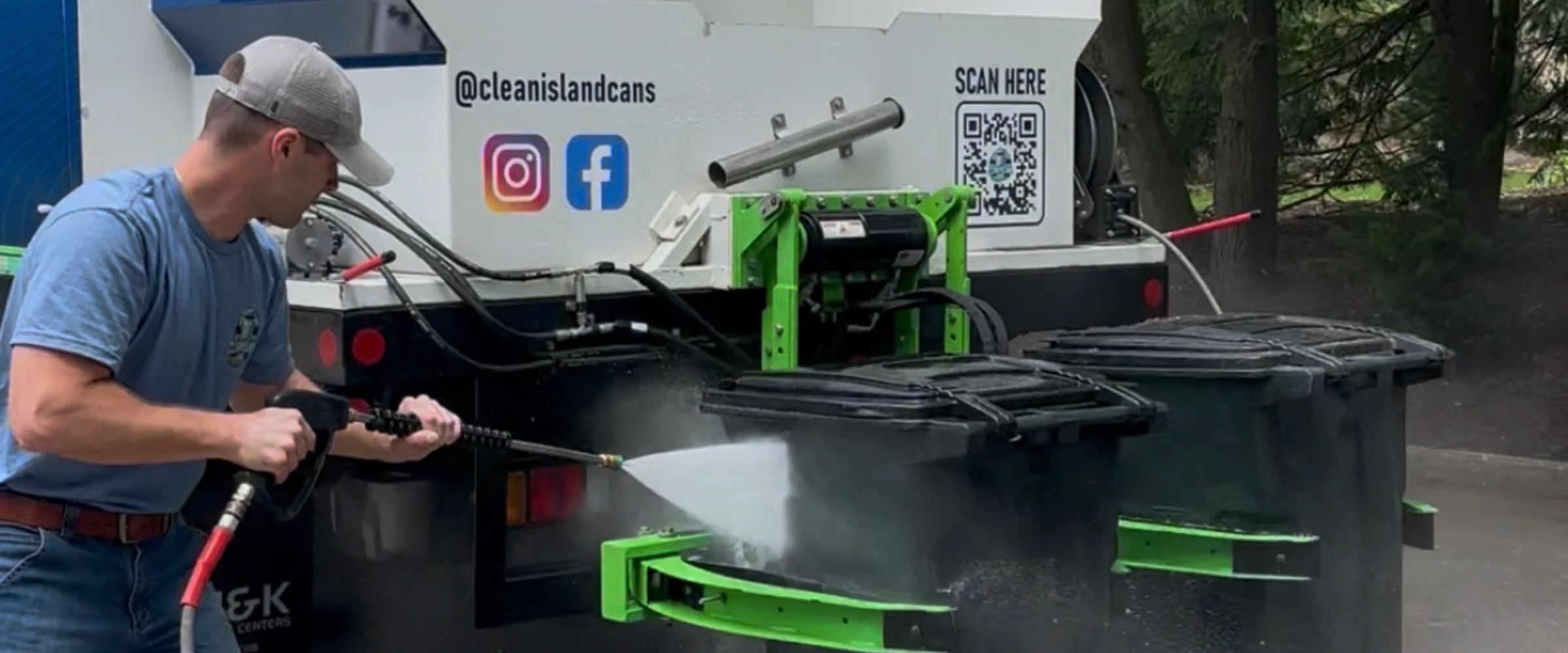
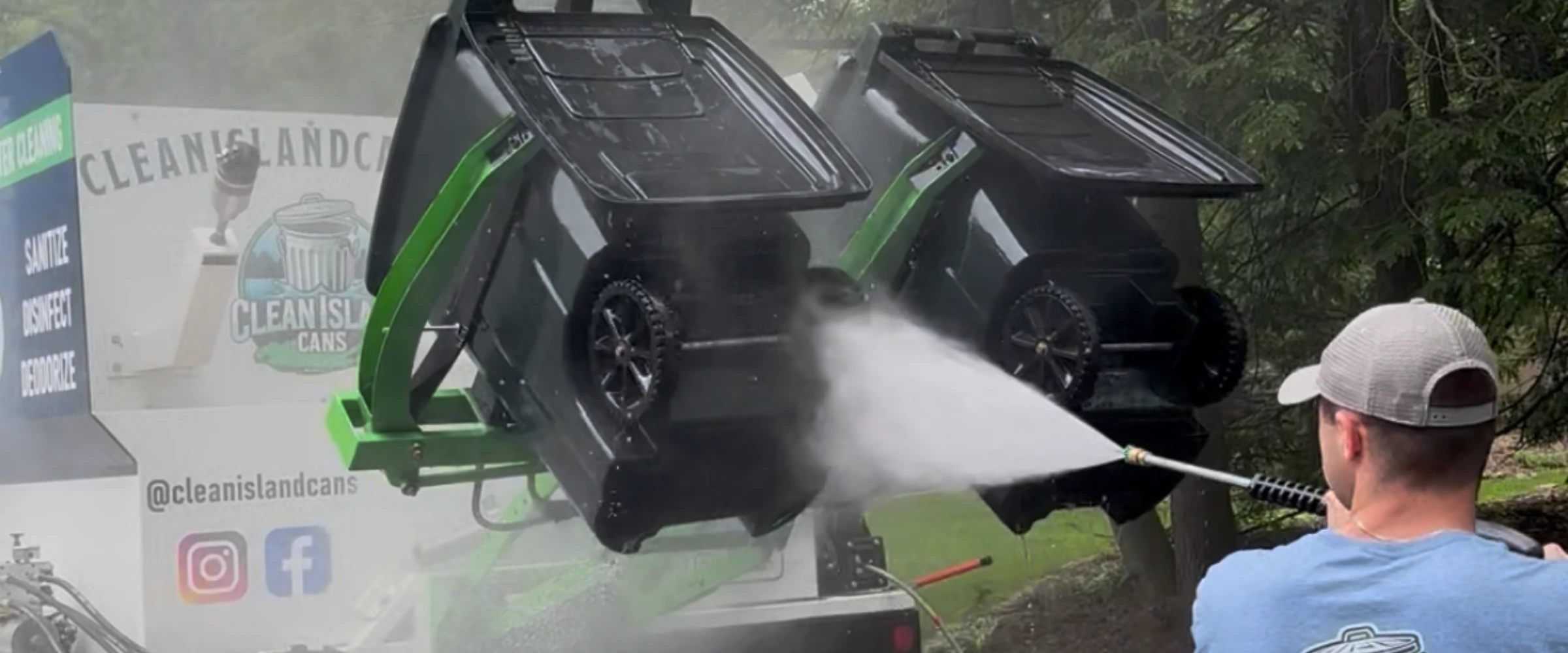
At Clean Island Cans, we provide professional trash can cleaning that includes deep cleaning, sanitizing, and deodorizing.
Our curbside service takes place the day after trash collection, helping homeowners maintain cleaner containers without transporting them to another location.
For Melville homeowners, regular cleaning is a practical part of overall garbage can maintenance, particularly when bins are exposed to outdoor dirt, leaking waste, and changing seasonal conditions.
However, cleaning should be viewed as routine care rather than a mechanical repair service. Damaged wheels and axles still need appropriate attention.
Useful Resources for Garbage Can Wheel Maintenance and Replacement
Finding the correct replacement parts can be easier when you know where to look.
The following manufacturer and repair resources may help you understand wheel assemblies, compatible components, and common repair procedures.
Toter Cart Maintenance
Toter provides information about garbage cart maintenance, repair, and replacement services. Its resources explain several types of cart maintenance, including wheel and lid replacement.
Rubbermaid Replacement Parts
Rubbermaid's support resources include information about replacement parts and product assistance. Identifying the correct container model is important before purchasing replacement components.
iFixit Trash Can Wheel Replacement Guide
iFixit offers a step-by-step guide to replacing wheels on a specific type of wheeled trash container. The guide can help homeowners understand how some wheel assemblies are attached, although the instructions may not apply to every model.
Toter Waste Cart Accessories
Toter also provides information about accessories intended for compatible waste containers. Reviewing manufacturer-specific accessories can help homeowners understand available maintenance and convenience options.
Always confirm product compatibility and follow the manufacturer's instructions before removing or replacing wheel components.
Frequently Asked Questions About Garbage Can Wheels
What is garbage can cleaning, and why is it important?
Garbage can cleaning is a professional service that removes dirt, grime, harmful bacteria, and odors from your garbage cans and trash bins. Everyday waste, including spoiled milk, raw meat, rotting produce, eggs, and diapers, can leave behind residue that attracts germs and creates unpleasant smells.
At Clean Island Cans, we take pride in helping homeowners in Melville, NY keep their cans clean, sanitized, and fresh. Regular cleaning helps create a more hygienic environment around your home and reduces the buildup that makes trash cans dirty and smelly.
How does your trash can cleaning process work?
Our bin cleaning service is simple, efficient, and hassle-free. We visit your home the day after your regular trash collection, when your bins are usually empty.
Using professional equipment, our cleaning process removes built-up grime, washes the cans, and helps disinfect, sanitize, and deodorize them. Our goal is to complete the job efficiently so you can enjoy cleaner garbage cans without spending hours scrubbing them yourself.
How often should I have my garbage cans cleaned?
The right cleaning frequency depends on your household size, lifestyle, and how much trash you produce. If your bins regularly contain food scraps, tissues, napkins, diapers, or other common household items, monthly cleaning may be a good choice.
Your desired cleaning frequency should also depend on how quickly odors and dirt return. Our team can help you understand the available plans and choose the right service package for your needs. Additionally, regular cleaning helps prevent heavy buildup between visits.
Can professional trash can cleaning remove bacteria and bad odors?
Yes. Professional trash can cleaning helps remove waste residue, bacteria, and the grime responsible for many unpleasant odors.
Dirty and pest-ridden trash cans can potentially contain harmful germs, including E. coli and Salmonella, especially when exposed to waste from raw meat, eggs, and spoiled produce. These bacteria can cause illness if they enter the body.
Our cleaning service is designed to clean, sanitize, and deodorize your cans, leaving them fresher and easier to maintain. While no cleaning process can guarantee that bins will remain completely free of bacteria, regular care can help reduce contamination.
Do I need to be home during the cleaning service?
You generally don't need to be home during your scheduled cleaning visit, provided your garbage cans are empty and accessible.
Our curbside service is designed to make the process easy for busy homeowners. You don't need to carry your bins anywhere or spend a few hours cleaning them yourself.
Simply leave your cans in an accessible location after trash collection. If you have questions about access or scheduling, contact our customer support team before your visit.
What types of garbage cans can you clean?
Our garbage can cleaning service is designed for standard residential trash cans and bins used for everyday household garbage.
Whether your cans collect a single bag of trash or several bags each week, regular cleaning helps remove food residue, dirt, and stubborn odors. We also offer durable 45-gallon garbage cans for homeowners who need to replace damaged containers.
If you have larger bins, multi-family property containers, or special cleaning needs, contact our company to confirm whether we can accommodate your request. We want every customer to receive the right service for their situation.
What areas does your garbage can cleaning company serve?
Clean Island Cans provides professional garbage can cleaning for homeowners in Melville, NY.
If you're located elsewhere in New York, including Rockland County, or across the state line in Bergen County, NJ, please contact our team to check service availability. We can help you find out whether cleaning services are offered in your area.
Our business focuses on making trash can maintenance easier while helping customers keep their outdoor spaces cleaner and more comfortable.
How can I get started with your garbage can cleaning service?
Getting started today is easy! If you're tired of dealing with smelly trash cans, stubborn grime, and dirty bins, Clean Island Cans is here to help.
Visit our website or contact our team at 631-213-1238 to learn more about our cleaning plans and available service packages. We'll help you choose a package that fits your cleaning needs and schedule.
Whether you're looking for monthly service or simply want to fix a recurring odor problem, our professional team is ready to help. No need to scrub your cans by hand or deal with the dirty water yourself. Our goal is to make the experience hassle-free, with as little as one single touch needed from you.
Visit Clean Island Cans to learn more about our service and take the first step toward cleaner, fresher garbage cans.
Keep Your Garbage Can Rolling and in Better Condition
Trash can wheels usually crack or stop rolling because of excessive weight, repeated impacts, rough surfaces, worn components, or debris around the axle.
Many problems can be reduced through careful handling, regular inspections, and basic maintenance. When wheels or axle supports are seriously damaged, replacing the affected components or the entire garbage can may be necessary.
Keeping the container clean is another part of maintaining it over time.
At Clean Island Cans, we help homeowners in Melville, NY maintain cleaner, fresher garbage cans through professional curbside cleaning.
Our garbage can cleaning service offers a convenient way to remove accumulated grime and manage odors as part of your regular household maintenance routine.
We also offer durable 45-gallon garbage cans for homeowners who need a replacement for a worn or damaged container.
To learn more about our cleaning services or garbage can options, call 631-213-1238 or contact us.


